Field notes on VLA robotics
Technical writing from the EmbodyX engineering team. We write about what we observe running VLA models on production industrial arms.
Newest first
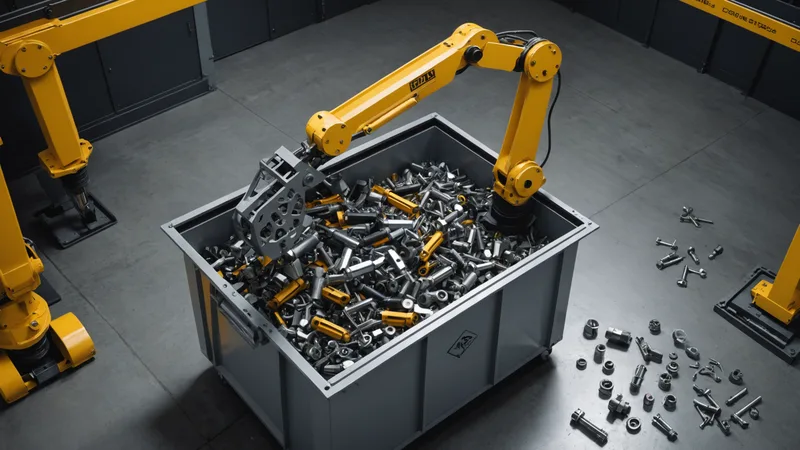
Bin-Picking Without Reprogramming When Parts Change
How the VLA model's scene-understanding layer handles novel part orientations that weren't in the original task demo, and what this means for bin-picking flexibility in production.
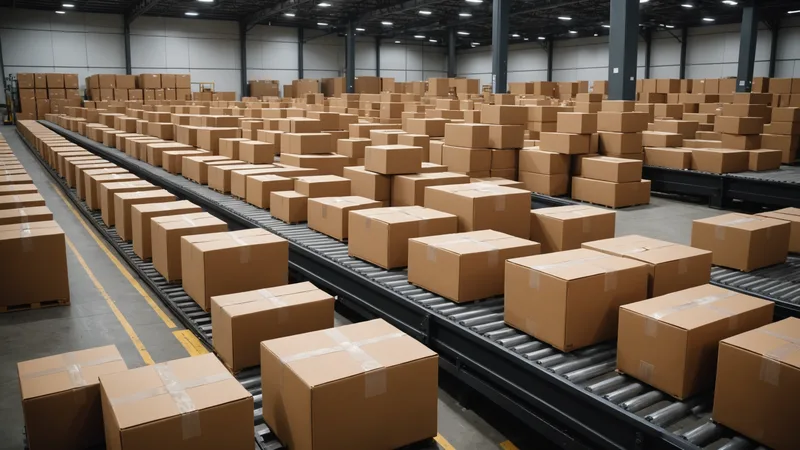
Mixed-SKU Warehouse Sortation: What Actually Breaks
A field analysis of why scripted sortation arms fail on consumer-return infeeds, and how perception-driven sorting handles the same catalog-coverage gap without a vision update.
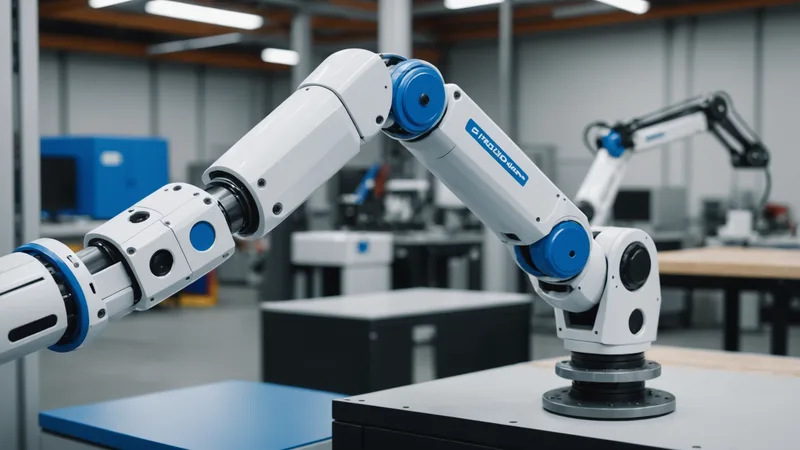
Integrating VLA Inference with UR5 Arms via RTDE
A step-by-step walkthrough of the RTDE connection layer we built for Universal Robots e-Series arms, including how we handle the 8ms cycle time constraint at the edge.
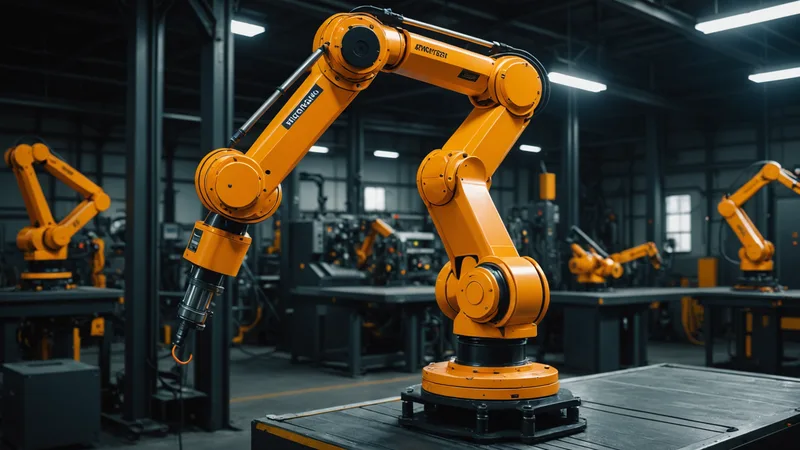
Why Factory Robot Failures Happen: A Root Cause Taxonomy
After analyzing 340 unplanned arm stoppages across 6 production facilities, most stoppages trace to scene variation, not hardware faults.

Task Conditioning in Robotic Grasping: How the Instruction Changes the Grasp
The same object in the same bin gets a different grasp depending on the task instruction. This is the core mechanism that makes instruction-following manipulation practical.

Scene Graph Output for Manipulation: What We Build and Why
The intermediate scene representation we use before action generation, and why a structured graph improves reliability on cluttered industrial scenes.
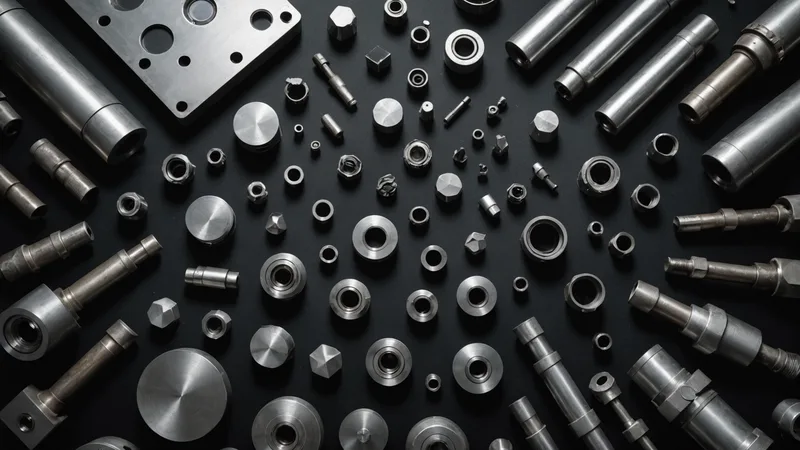
Novel Object Recognition for Arms: Zero-Shot Results on Industrial Parts
How a VLA model handles parts it has never seen before, including where zero-shot generalization holds and where adding a few demonstration examples closes the gap.
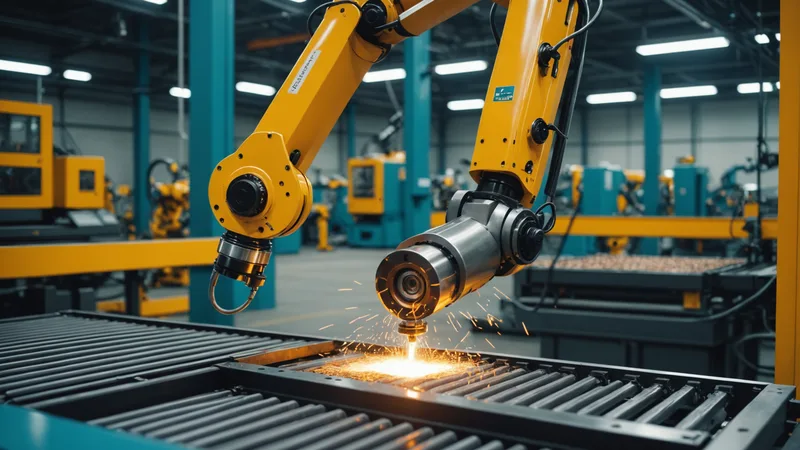
Robot Failure Recovery Strategies: What Happens After a Drop
The three recovery behaviors the EmbodyX runtime attempts after a grasp failure, and how the decision between them is made based on observed post-failure scene state.
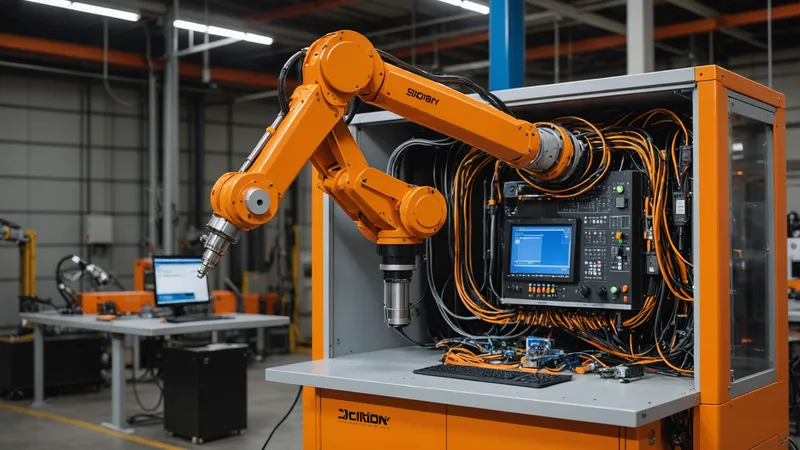
FANUC and KUKA SDK Integration Guide: What We Learned
A candid account of the integration challenges building the FANUC FRI and KUKA RSI adapters, including the controller quirks not documented in the official SDK manuals.

VLA Model Fine-Tuning on Your Task Data: When It Helps and When It Doesn't
Fine-tuning a VLA model on facility-specific demonstrations improves performance on targeted tasks, but cost-benefit depends heavily on task complexity and base model coverage.
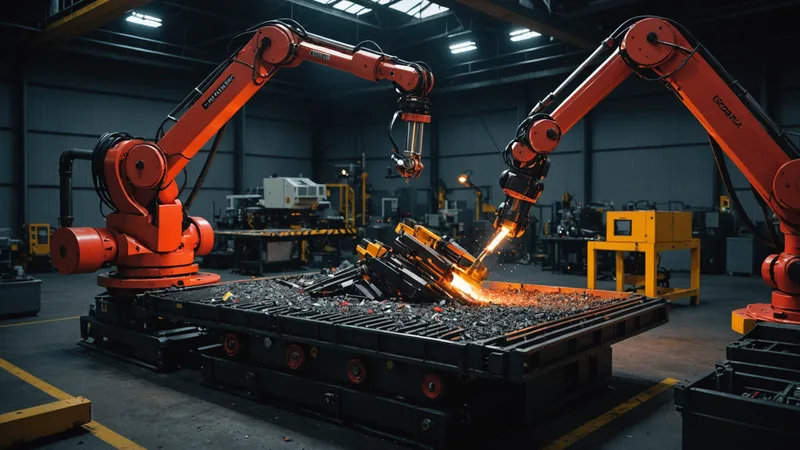
Why Rule-Based Robot Programming Breaks and What Comes Next
The fundamental constraint of coordinate-based robot programs and why the industry has been slow to adopt a perception-first approach despite the failure pattern being well understood.